Some smiles need health work. Others are healthy but carry years of visible history: a chipped corner from an old accident, enamel dulled by coffee and time, edges worn uneven, a gap that photographs larger than it is. Porcelain veneers are the artistry side of dentistry, and they exist for exactly these cases.
A veneer is a thin shell of porcelain, often about the thickness of a contact lens, bonded to the front surface of a tooth. Because porcelain interacts with light the way enamel does, a well-made veneer does not look like dental work. It looks like the tooth you wish you had, in the shade you choose, with the shape and proportion designed for your face.
Veneers correct chips and small fractures, deep staining that whitening cannot lift, worn or short-looking teeth, mild crowding or rotation, and gaps. One veneer can rescue a single damaged front tooth; a set of six or eight can redesign an entire smile line. In our smile gallery you can see this office's work on upper arch rehabilitations where stained, worn, chipped front teeth became longer, better shaped teeth with uniform edges, photographed on real, consenting patients of this practice.
The process typically takes two to three visits. We start with a conversation and smile design: photos, measurements, and an honest discussion of what you want changed and what should stay recognizably you. The teeth are then prepared conservatively, a precise impression goes to the ceramist, and you wear natural-looking temporaries while the porcelain is crafted. At delivery we verify shade, shape, and bite with you holding the mirror, and nothing is bonded until you approve.
Because preparation usually removes a thin layer of enamel, veneers are a considered, mostly irreversible decision. We treat that seriously, and we will tell you when whitening, bonding, or aligners could reach your goal with less commitment.
Benefits
- Corrects chips, stains, wear, gaps, and minor misalignment in one treatment
- Custom shade and shape designed with you, not applied from a template
- Porcelain resists stain far better than natural enamel
- Conservative preparation compared with full crowns
The process
- 1
Smile design consultation with photos and honest candidacy review
- 2
Conservative preparation and precision impressions
- 3
Handcrafted porcelain fabrication while you wear fitted temporaries
- 4
Try-in, your approval in the mirror, then permanent bonding
Is it right for you?
Good veneer candidates have healthy teeth and gums, enough sound enamel for bonding, and specific cosmetic goals: chips, stains, wear, gaps, or shape concerns on the visible front teeth. Active decay or gum disease gets treated first, and severe misalignment may call for aligners before or instead of porcelain.
Why choose our office
Cosmetic dentistry succeeds or fails on judgment and craft: knowing when a smile needs two veneers rather than eight, insisting the ceramist remake a unit whose shade is a half-step off, shaping edges so they follow the lower lip naturally. Dr. Kaci's prosthodontics honors from the University of the Pacific were earned on exactly this kind of exacting restorative work, and the before and after cases in our gallery show the standard in practice.
We also design smiles with restraint. The goal is a result people read as you on a great day, not as dental work. Patients tell us that is exactly what they got.
What to expect at your visit
Veneer treatment is unrushed by design. The consultation and design phase does the heavy lifting: photos, discussion, sometimes a wax preview of the proposed shapes. Preparation day involves comfortable numbing, careful shaping, impressions, and custom temporaries that preview the direction.
Delivery day is the reveal. Each veneer is tried in, evaluated with you in natural light, and adjusted until you approve. Bonding then locks in the result, we fine-tune your bite, and you walk out with the smile you designed together with us. Mild gum tenderness fades within days.
Aftercare
Brush and floss normally, keep regular hygiene visits, and wear a night guard if you grind. Avoid using front teeth as tools. Treat veneers like fine natural teeth and they will act like them for years.
Costs, insurance, and timing
Veneers are a premium cosmetic investment priced per tooth, and because they are elective, insurance rarely contributes. We quote everything in writing at your consultation and offer CareCredit financing. When budget matters, ask about staging treatment or reaching part of your goal with whitening and bonding first. Honest options cost nothing.
See our financial options and insurance information pages for the full picture.
Real results from our office
Photos of our own patients, shared with written consent. Results vary.
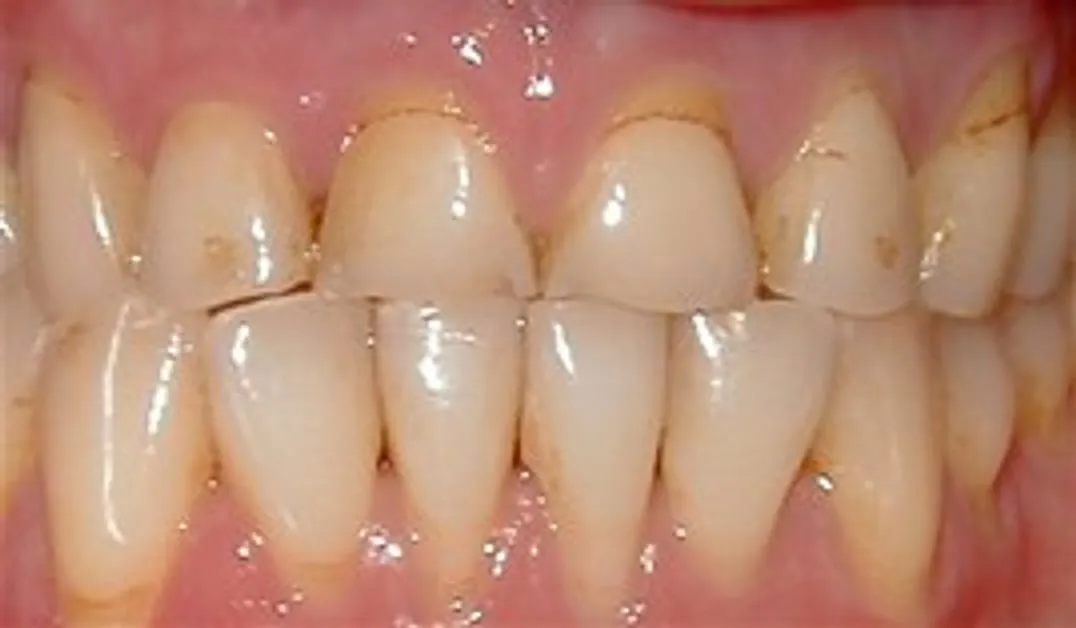
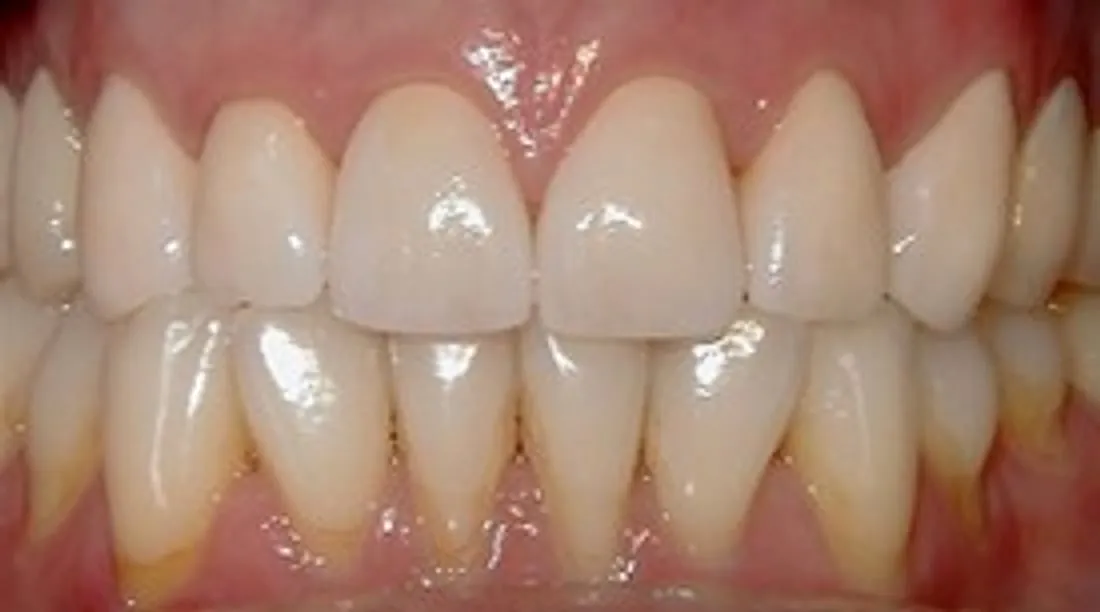
An Upper Arch Rebuilt with Eight Porcelain Crowns